
How Freeze – Thaw Cycles Affect Your Home (Logan, Ohio Guide)
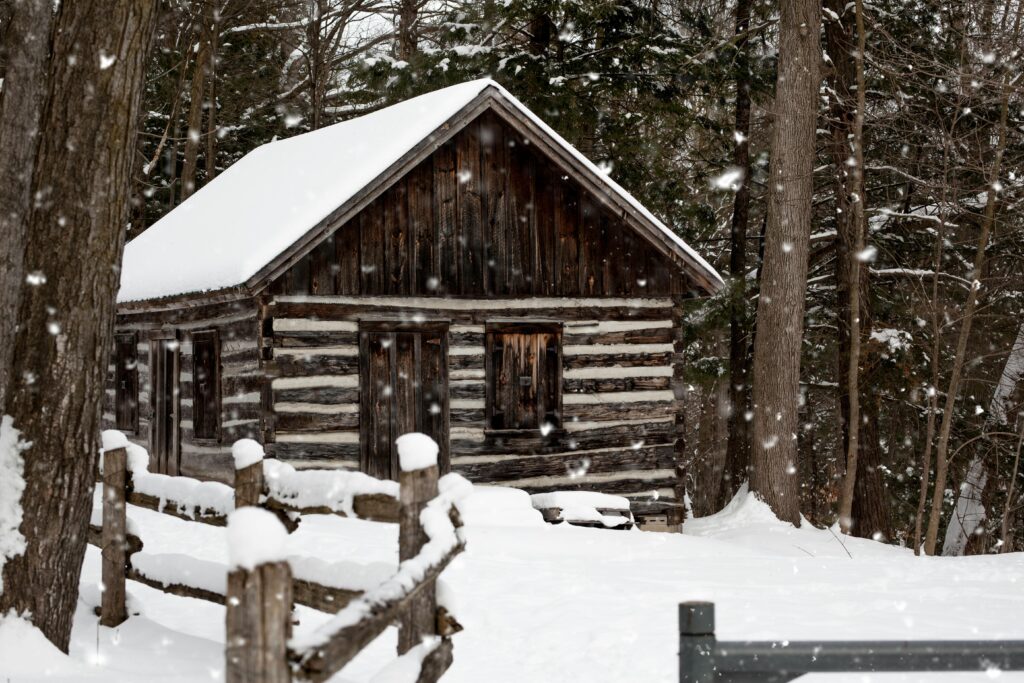
Ohio winters can be unpredictable – warm one day, freezing the next – and nowhere is that more true than Logan, Nelsonville, Laurelville, and the Hocking Hills. The sudden swings between freezing nights and warmer afternoons put major stress on homes, especially older properties and cabins.
This repeated freezing and thawing is known as a freeze-thaw cycle, and it’s one of the biggest sources of hidden damage in Southeast Ohio homes.
As a contractor who works year-round in the region, here’s how freeze–thaw cycles affect your home – and what you can do to protect it.
❄️ What Is a Freeze-Thaw Cycle?
A freeze–thaw cycle happens when:
- Temperatures drop below 32°F at night
- Then rise above freezing during the day
When this happens, water expands as it freezes, then contracts as it melts.
This constant expanding and contracting puts stress on your home’s:
- Foundation
- Siding
- Roofing
- Plumbing
- Decks
- Concrete
- Crawl spaces
The more cycles we have in a season, the more stress your home takes.
🧱 1. Concrete & Masonry Damage (Most Common Issue)
Concrete absorbs moisture.
When that moisture freezes, it expands.
This causes:
✔ Spalling
(surface flaking off)
✔ Cracks forming or widening
✔ Steps or sidewalks shifting
✔ Retaining walls bowing
✔ Foundation cracks
This is extremely common in Hocking County because:
- Concrete here often sits shaded
- Soil stays wet for long periods
- Older concrete wasn’t always mixed to today’s standards
- Many homes have porous block foundations
Warning signs:
- Stair-step cracks in block
- Flaking or peeling concrete
- Widening cracks in driveways
- Front steps pulling away from porch
What helps:
- Sealing concrete every 2-3 years
- Improving drainage away from home
- Installing gutters/downspouts
- Avoiding salt use (it accelerates spalling)
🏠 2. Foundation Shifting & Settlement
Soil expands when frozen and contracts as it thaws. If this happens repeatedly, it can:
- Move your foundation slightly
- Cause doors to stick
- Create drywall cracks
- Shift crawl space supports
- Create uneven floors
Cabins built on slopes are especially vulnerable.
Warning signs:
- Doors that rub or won’t latch
- Cracks where walls meet ceilings
- Sloping floors
- Gaps under baseboards
- Cold air leaks around the foundation
What helps:
✔ Proper drainage
✔ French drains if needed
✔ Gutter extensions
✔ Crawl space support adjustments
✔ Regular inspections
🌲 3. Deck Damage – Boards, Joists, and Posts
Decks take a beating in winter. Water gets into the wood, freezes, expands, and causes:
- Splitting boards
- Popped screws
- Twisted joists
- Rotting posts
- Weakened railings
In the Hocking Hills, decks stay wet longer because of shade, tree cover, and moisture from the forest floor.
Warning signs:
- Boards cupping or splitting
- Railing movement
- Bouncy spots
- Loose fasteners
- Green/mossy buildup
What helps:
✔ Joist tape on top of framing
✔ Sealing or staining wood every 1-2 years
✔ Using composite decking
✔ Ensuring proper flashing at the house
✔ Checking posts for rot in spring
🪟 4. Siding & Exterior Trim Damage
Repeated freezing and thawing causes siding and trim to:
- Warp
- Pull away from house
- Crack
- Lose caulking
- Allow moisture intrusion
Older wooden trim around windows/doors is the most vulnerable.
Warning signs:
- Peeling paint
- Gaps around windows
- Soft spots in trim
- Warped siding panels
- Drafts around window frames
What helps:
✔ Fresh caulking
✔ Proper paint/sealant
✔ Replacing rotted trim
✔ Ensuring gutters aren’t overflowing
🧊 5. Frozen or Burst Pipes
One of the most expensive freeze-thaw problems.
Pipes freeze when:
- Temperatures drop under 20°F
- Plumbing runs through uninsulated walls
- Crawl spaces are exposed
- Outdoor faucets aren’t winterized
Warning signs:
- Low water pressure
- No water flow
- Banging noises when water runs
- Visible frost on pipes
What helps:
✔ Insulate exposed plumbing
✔ Install frost-free hose bibs
✔ Keep crawl space vents closed in winter
✔ Let faucets drip during extreme cold
✔ Add heat tape where needed
🏚️ 6. Crawl Space Moisture Problems
Crawl spaces in this region are notorious for:
- Condensation
- Mold
- Sagging insulation
- Wet joists
- Cold floors
Freeze-thaw cycles pump moisture into these spaces, especially after snow melts.
Warning signs:
- Musty smell
- Cold floors
- Uneven flooring
- Mold on joists
- Hanging insulation
What helps:
✔ Vapor barrier
✔ Insulation replacement
✔ Dehumidifier
✔ Crawl space sealing
✔ Proper drainage around foundation
🪵 7. Roof Wear, Ice Dams, and Shingle Damage
Freeze-thaw cycles damage roofs when:
- Snow melts
- Refreezes at the edge
- Creates ice dams
- Forces water under shingles
This is common on cabins with low slopes.
Warning signs:
- Roof leaks after snow
- Icicles forming repeatedly
- Shingles curling or cracking
- Water stains on ceiling
What helps:
✔ Good attic insulation
✔ Proper ventilation
✔ Ice & water shield under shingles
✔ Clearing gutters
✔ Adding heat tape along eaves (if needed)
🧹 8. Driveway, Sidewalk, and Patio Cracks
Concrete and asphalt both crack during freeze–thaw cycles.
What helps:
✔ Fill cracks before winter
✔ Reseal asphalt every 2-3 years
✔ Use sand instead of salt
✔ Improve slope so water runs off
🎯 Final Takeaway for Logan & Hocking County Homeowners
Freeze–thaw cycles are unavoidable – but damage is preventable if you know what to look for.
The top ways to protect your home:
- Seal exterior surfaces
- Improve drainage
- Replace bad caulking
- Inspect decks and trim
- Keep plumbing insulated
- Maintain crawl spaces
- Check foundation yearly
- Clear gutters
Small preventive steps save homeowners thousands in long-term repairs.
📞 Need Help With Winter Damage or Preventative Maintenance?
We help homeowners and cabin owners across the Hocking Hills with:
✔ Foundation & crawl space repair
✔ Deck repairs & replacements
✔ Trim/siding repairs
✔ Plumbing fixture replacements
✔ Winterization services
✔ Gutter & drainage fixes
Josh Carpenter Construction
Serving Logan • Nelsonville • Laurelville • Rockbridge • Hocking Hills
Free Estimates – Honest Pricing – Quality Work
Send a message or text (740) 823-2071 today. Check out all our services.